
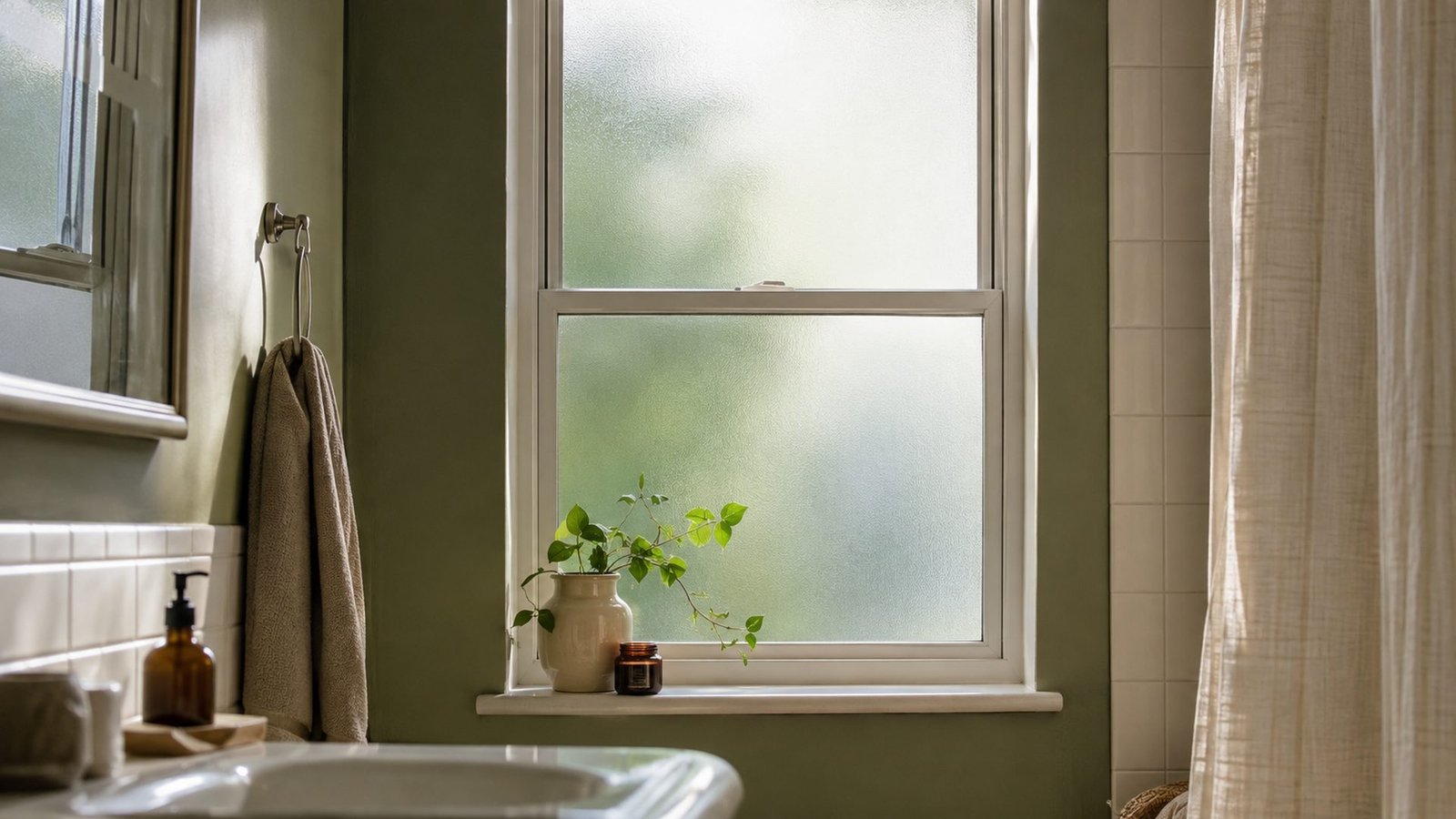
Static cling window film rental pick: choose static-cling privacy film, not adhesive tint. Cut the sheet about 1/8 in (3 mm) smaller than the glass on each side, wet the pane with soapy water, squeegee from the center out, and dry the edges. Installed that way, frosted or privacy cling softens street and bathroom views without goo, and it peels clean in minutes on move-out when you skip solvent-and-scraper adhesive tint.
Key takeaways
- For rentals, keep window film that is static cling. Skip adhesive tint that needs scrapers and solvent at move-out.
- Cut film about 1/8 in (3 mm) smaller than the clear glass on each side so edges stay off glazing beads and do not crawl under trim.
- Install on wet soapy glass. Squeegee from the center out. Wipe edges dry so water does not sit under the film overnight.
- Choose frosted or privacy cling for bathrooms and street-facing panes. Skip dark mirror tint when you only need silhouettes hidden, not a blackout look.
- Peel time: correctly installed static cling lifts in minutes with no goo. Adhesive tint often fights the deposit.
- Pair with soft layers from sliding door curtains rental and layer sheer and blackout over rental blinds when you still want fabric at night.
Why does static cling window film matter in a rental?
Builder blinds leave gaps. Sheer curtains glow at night. A street-facing bedroom or a small bathroom often needs glass-level privacy without drilling, without painting, and without a product that ruins the pane on exit day.
A measured static cling window film rental plan is deposit math. Static cling holds with water and surface tension. Adhesive tint bonds with glue. Glue is what turns a weekend DIY into a move-out invoice. Prefer cling when the lease is quiet about film, and still photograph the glass before and after.
AdSense-safe kit only: tape measure, spray bottle with a drop of dish soap, hard card or squeegee, microfiber cloth, scissors or a craft knife on a cutting mat, and painter tape for layout marks. This is not legal advice about your lease or local window rules. Read the lease. Ask the landlord in writing when the wording is unclear. Keep receipts and photos.
Should renters choose static cling or adhesive tint?
Keep static cling for almost every rental privacy job. Skip adhesive tint when you care about the deposit.
Static cling sits on wet glass, then grips as you squeegee air and water out. On move-out you lift a corner and peel. Adhesive tint needs a clean bonding surface, heat in many installs, and often scrapers plus solvent when it fails or when you leave. That solvent smell and scratched glass are the opposite of a calm handoff.
Use adhesive only when a landlord approves a permanent change in writing and you accept repair risk. For a typical one-year lease, static cling window film rental is the keep path. The same removable-surface idea shows up in peel-and-stick wallpaper for small rentals: bond lightly, reverse cleanly.
How much smaller should you cut the film than the glass?
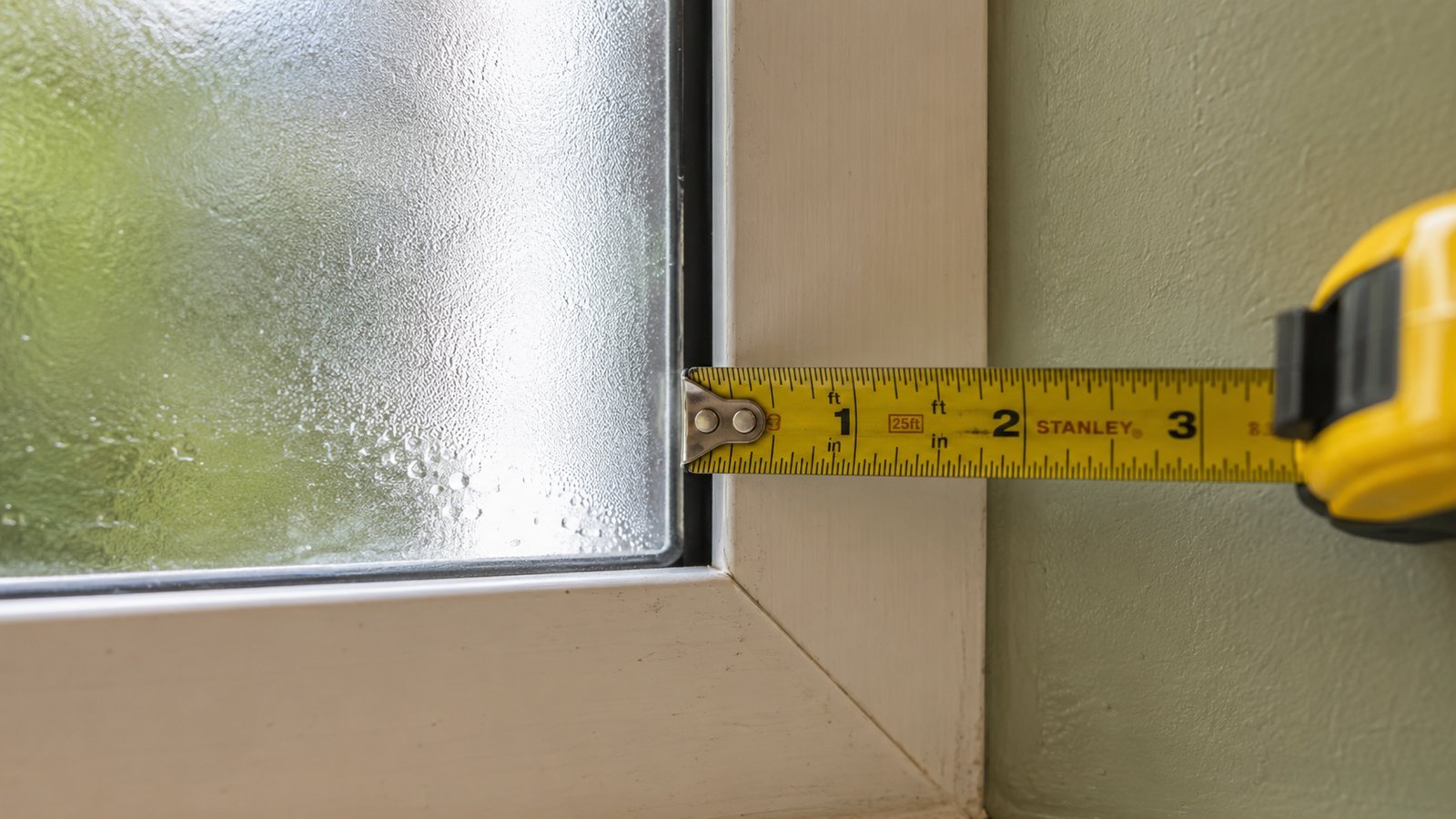
Cut about 1/8 in (3 mm) smaller than the clear glass on each side. If the pane measures 24 in by 36 in (61 cm by 91 cm) of clear glass, cut the film to about 23 3/4 in by 35 3/4 in (60.3 cm by 90.8 cm).
That small reveal keeps the edge off the glazing bead and rubber gasket. Edges stuffed under beads can trap water, lift later, or look like the film tried to become a permanent gasket. A thin clear border also makes peel-day easier: you can see where the film ends.
Measure twice. Mark the film on the liner side with a soft pencil. Cut on a flat table, not while the sheet is half on the glass. If you overshoot and the film is still a little large, trim another 1/16 in (1.5 mm) rather than forcing it under the frame.
How do you install static cling film with soapy water?
Clean the glass first. Dust and toothpaste freckles telegraph through frosted film. Spray the pane until it is wet, not misty. Mix a drop of dish soap in a spray bottle of water so the film can float and slide.
Peel the liner a little at a time. Lay the cling on the wet glass. Slide it until your 1/8 in (3 mm) reveal looks even on all four sides. Squeegee from the center out in overlapping strokes. Wipe the edges dry so a wet ring does not sit overnight and invite mildew on a bathroom sill.
Bubbles that are water pockets usually work out as you squeegee. Pinholes of air that remain after a second pass can be lifted gently at a nearby corner, misted again, and laid back down. Do not stab the film with a pin unless the maker says that is the intended fix; most rental sheets are thin enough to re-wet and reset.
Does privacy film really hide the room from the street?
Frosted and privacy static cling hide detail. They turn a clear view into a soft glow and a silhouette. They do not create a blackout cave. If someone stands close with a bright interior lamp behind you at night, a shape can still read. That honesty matters more than a vendor claim of total invisibility.
For bathrooms and street-facing bedrooms, frosted or privacy cling is usually enough for daytime and most evenings. Add a fabric layer when you want night blackout: hang curtains high and wide per hang curtains high and wide, or keep builder blinds and layer sheers as in the sheer and blackout guide.
Skip dark mirror or reflective tint sold as a privacy miracle on street-facing rental glass when you are unsure of building rules. Some places treat heavy exterior-facing mirror film as a glare or appearance issue. Frosted privacy cling stays calmer, AdSense-safe, and easier to reverse. This guide is about privacy and residue, not a claim that any tint is legal everywhere.
Will bathroom humidity make static cling fall off?
Humidity is why bathrooms need a careful wet install, not why you must skip cling. Steam lifts poorly dried edges. The fix is technique: wet glass, firm center-out squeegee, dry edges, and a day of normal use before you judge the bond.
If a corner lifts after a hot shower, peel that corner back a few inches, mist soapy water, squeegee again, and dry. Full re-cling is often faster than fighting a wrinkled edge. Skip hairdryers on high heat aimed at cheap vinyl; soft warmth is optional, scorching is not.
Keep the sill clear of soaked towels. Standing water at the bottom edge is what invites peel. Wipe the sill after showers the first week while the install settles.
How long does peel-off take on move-out?
Correctly installed static cling usually peels in minutes. Lift a corner with a fingernail, pull low and slow, and roll the sheet as you go so soapy residue stays on the film, not the floor. Wipe the glass with the same mild soapy water, then dry.
Adhesive tint is the skip for deposit math. It can leave goo, shadow lines, and scratched glass when scrapers come out. If a prior tenant left adhesive film, photograph it at move-in and ask maintenance. Do not own someone else’s glue problem.
Bag the clean glass after peel. Keep the film scrap until the walkthrough if the landlord wants to see what you removed. Removable surface habits match other Decor Pause rental guides: reverse what you added.
How should you choose film for dark or small rooms?
Frosted cling softens glare and can make a harsh street window feel calmer. It also cuts some daylight. In a dark apartment, test a small sample sheet on one pane before you film every window. Pair with bounce light from decorate a dark apartment rather than stacking heavy mirror tint that kills the remaining sun.
In a tight room, privacy cling on the lower half or on the street-facing pane only can be enough. Leaving the upper glass clearer keeps a sense of height, the same quiet idea behind make a small room look bigger. Full-pane frost is fine for bathrooms where every inch needs cover.
Balcony doors and large sliders are a different tape measure. Film a sidelight or a fixed pane first. For the moving slider itself, fabric coverage from the sliding door curtains guide often beats fighting a full-height cling sheet across a track.
What does a calm weekend install look like step by step?
Friday evening: buy frosted or privacy static cling sized larger than your largest pane so you can cut undersize. Check that the product says static cling or removable cling, not adhesive tint. Gather the spray bottle, squeegee, microfiber, and tape measure. Photograph every pane you plan to cover.
Saturday morning: wash the glass with mild soap, rinse, and dry. Measure clear glass. Cut film about 1/8 in (3 mm) smaller on each side on a table. Label sheets lightly on the liner if you have more than one size.
Saturday midday: spray the first pane until wet. Place film, align the reveal, squeegee center out, and dry edges. Repeat pane by pane. Do not rush two large sheets at once while the first is still sliding.
Saturday evening: check privacy from outside if you can do so safely from a shared hall or sidewalk without bothering neighbors. Inside, turn on the bathroom light and confirm silhouettes are soft. If a corner lifted, re-wet and reset before bed.
Sunday: live with steam or morning sun. Wipe sills. If one pane feels too dark for a small room, peel that sheet and leave upper glass clear, or swap to a lighter frost. Keep the unused cutoffs until you are sure you will not resize.
When should you layer film with curtains or blinds instead of film alone?
Film alone is enough for many bathrooms. Street-facing bedrooms often want film for daytime privacy plus a curtain for night. Keep builder blinds when the lease expects them, then add cling on the glass behind or in front of the vanes only when the blinds still operate without scraping the film.
If blinds hit the glass, put cling on a fixed sidelight instead, or hang an outside-mount curtain layer and leave the operating sash clear. Fighting hardware is how film gets scratched. Soft fabric recipes in the sliding door and sheer-blackout guides stay better for moving glass.
No-drill balcony styling beyond a filmed door should stay light so the door still opens. Film the glass; do not glue planters to the frame.
What should you keep, and what should you skip?
| Keep | Skip |
|---|---|
| Static cling privacy or frosted film | Adhesive tint that needs scrapers and solvent |
| Cut ~1/8 in (3 mm) smaller than glass on each side | Forcing edges under glazing beads |
| Soapy wet glass, center-out squeegee, dry edges | Dry slap-on installs that trap grit and air |
| Frosted/privacy cling for bath and street panes | Dark mirror tint when you only need silhouettes hidden |
| Move-in and move-out glass photos | Permanent film without written landlord OK |
| Re-wet and re-cling lifted corners | High-heat guns that warp thin rental film |
| Fabric layers when you want night blackout | Claiming total invisibility from every angle |
| Peel in minutes with no goo on exit | Fake listicle “10 window film ideas” with no tape measure |
The keep list protects glass and deposit. Vendor pages that push adhesive “professional tint” for apartments often skip the solvent chapter. This static cling window film rental guide optimizes for a soapy install you can reverse on moving day.
How does this fit with other rental window guides?
This spoke is about glass-level privacy with static cling, the 1/8 in (3 mm) cutback, and skipping adhesive residue. Curtain height and stack live in the hang curtains guide. Sheer plus blackout over builder blinds lives in the layering guide. Patio span and tension limits live in the sliding door curtains guide. Removable wall film habits live in peel-and-stick wallpaper. Outdoor no-drill styling beyond the glass stays in small balcony rental no-drill.
Do not mix every window recipe into one overloaded post. The measured claim here is static cling over adhesive, a 1/8 in (3 mm) reveal, wet soapy install, and honest privacy versus blackout. Keep each claim in its lane so Search and AI overviews can cite a clean answer.
FAQ
Can renters install window film without permission?
Static cling is usually treated as a reversible surface covering, but leases differ. Read your lease. Prefer static cling over adhesive tint. Photograph the glass before and after. Ask the landlord in writing when the lease is unclear. This is not legal advice; it is a deposit-safe habit.
Static cling window film vs adhesive: which should you choose?
Choose static cling for rentals. It installs on soapy water and peels clean when done right. Skip adhesive tint when you want to avoid scrapers, solvent, and scratched glass at move-out unless the landlord approves a permanent change in writing.
Window film for privacy: does it really work?
Frosted or privacy static cling hides detail and softens views into bathrooms and street-facing rooms. It does not create total blackout. Silhouettes can still show with bright interior light at night. Add curtains or blinds when you need a second night layer.
How much smaller should you cut static cling film than the glass?
About 1/8 in (3 mm) smaller on each side than the clear glass. That reveal keeps edges off glazing beads, reduces crawl under trim, and makes peel-day cleaner.
Does bathroom humidity stop static cling from sticking?
Not if you install on wet soapy glass, squeegee from the center out, and dry the edges. If a corner lifts after steam, peel it back, re-mist, squeegee again, and dry. Skip standing water on the sill.
Related: sliding door curtains rental · layer sheer and blackout over rental blinds · hang curtains high and wide · decorate a dark apartment · make a small room look bigger · peel-and-stick wallpaper rental · small balcony rental no-drill